
Apollo's catalogue owner, project-brief pathway and core product record are complete enough to progress into project review and manual quotation. This is not a statement of engineering approval or destination compliance.
Flood Protection · compact emergency flood bags
Water-absorbing expansion bags for fast, sand-free emergency flood response.
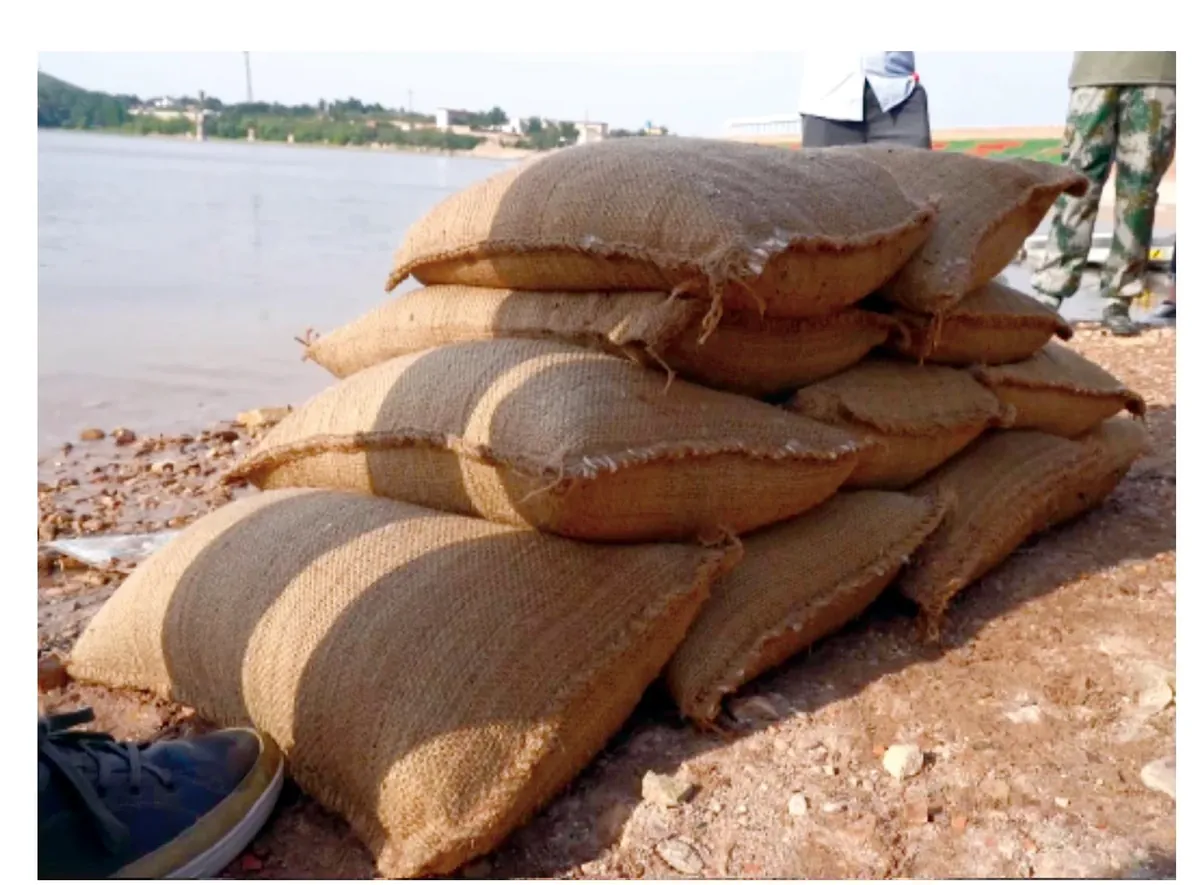
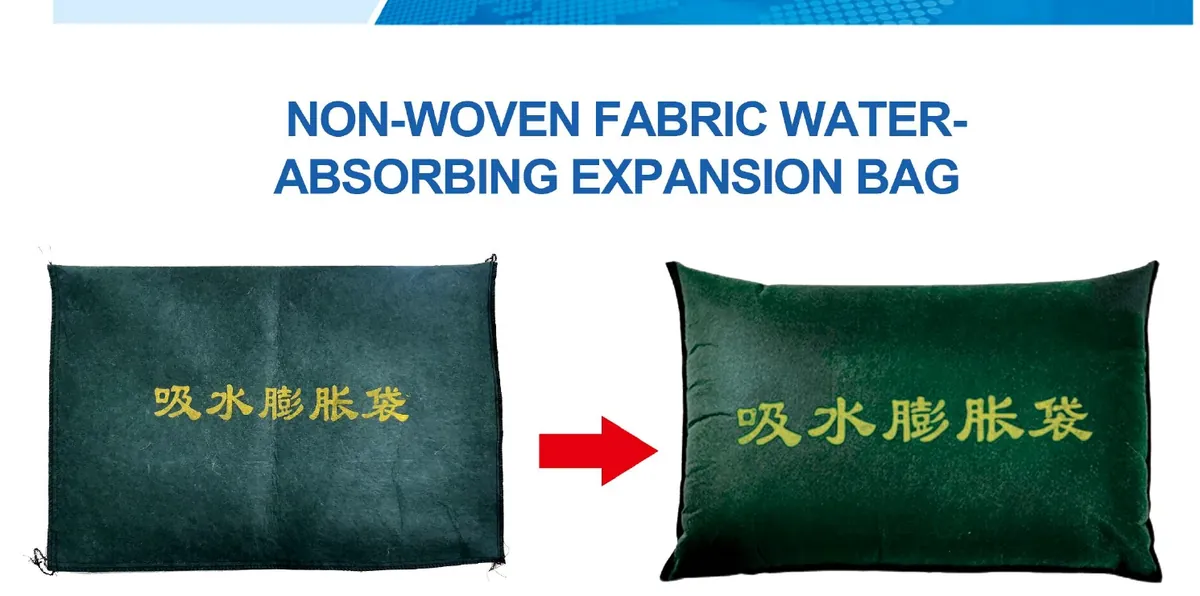
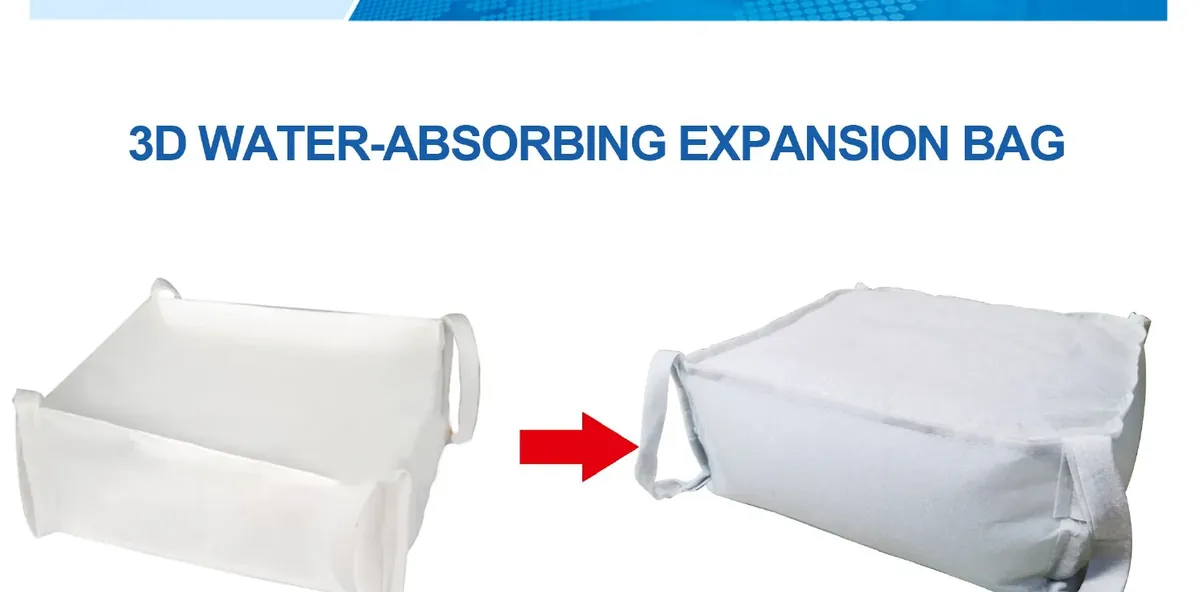
Compact dry bags containing super-absorbent material expand rapidly after contact with water, creating a heavier temporary barrier without manual sand filling. The supplier range includes jute, canvas, non-woven and three-dimensional bag constructions for different emergency-use and handling needs.
Sand-free deploymentCompact dry storage3–6 minute reference expansionJute, canvas, non-woven + 3D pathways
Where it fits
Applications
Product selection follows the opening, flood path, deployment time and local project conditions.
Doorways and low entrancesGarage thresholdsPipe-burst responseEmergency water diversionMunicipal response storesDike or leak blockingConstruction diversionRoad and site emergency response
System operation
How the product works
- 01
Store the bags dry and compact until an event occurs.
- 02
Expose the bag to water according to the product instructions.
- 03
The internal super-absorbent polymer takes up water and increases the bag's mass and volume.
- 04
Expanded bags are stacked or positioned to create a temporary water-control line.
- 05
Disposal, drying or reuse requirements must follow the exact bag construction and supplier instructions.
Supplier reference data
Current reference specifications
These figures come from the supplied manufacturer documentation and public product material. Apollo confirms the exact current configuration before quotation or specification.
Jute bag60 × 40 cm ±1 cm; 420 g ±10 g dry; 18–20 kg after absorption; 5–6 minute reference expansion; 50 pieces/carton.
Canvas bag60 × 40 cm ±1 cm; 330 g ±10 g dry; 18–22 kg after absorption; 3–5 minute reference expansion; 100 pieces/carton.
Non-woven bag60 × 40 cm ±1 cm; 260 g ±10 g dry; 18–22 kg after absorption; 3–5 minute reference expansion; 100 pieces/carton.
3D bag36 × 40 × 15 cm ±1 cm; 300 g ±10 g dry; 18–20 kg after absorption; 3–5 minute reference expansion; 50 pieces/carton.
Internal absorbentSupplier pack identifies super-absorbent polymer as the water-absorbing component.
Use positionTemporary emergency flood control rather than a substitute for a permanently engineered flood wall where the project requires one.
Real product reference imagery
Actual manufacturing-network products and deployments.
Technical control
Keep performance claims tied to the exact system.
Expansion times and final absorbed weights are supplier reference figures from the supplied technical pack. Actual use depends on water exposure, bag condition, placement and the flood scenario; Apollo should not present these bags as structural flood walls or guarantee a particular flood depth.
Apollo NZ Global · Flood Protection
Send the opening, site photos and the flood-risk information.
For fixed barriers, include clear width, target protection height, wall/floor construction and any available flood-level information. For temporary systems, include the line length, site geometry, storage and deployment requirements.
Product status
What Apollo has confirmed at catalogue level.
Apollo has an explicit regional priority map for this product. Regional mapping supports discovery and project review; it is not blanket compliance certification.
Configuration, technical evidence, interfaces, exposure or destination requirements need product-specific review before the final supply package is confirmed.
Status signals describe Apollo's current product record and project pathway. They do not replace project-specific engineering, testing, local approvals or destination compliance review.
Connected project pathway
One owner for each decision. One route into the project.
Commercial ownerWeather Protection
Whole-property resilience pathways covering wind, flood, water, heat, wildfire, coastal exposure and continuity planning.
Open pathway Knowledge ownerClimate & Global ProjectsCoastal, UV, rain, high-wind, cyclone/hurricane exposure and remote-project planning.
Open pathway ExposureClimate Exposure SelectorScreen salt, UV, rain, wind and remote-logistics conditions before product selection.
Open pathway TechnicalTechnical & Specifier CentreUse current product evidence, controlled technical information and professional project resources.
Open pathway Project briefGlobal Project BuilderCompile destination, exposure, scope, evidence and logistics for manual Apollo review.
Open pathwayRelated pathwayRemote Project Readiness
Complete the project
Consider the systems that naturally sit around this decision.
Map vulnerable openings and compare coordinated severe-weather protection pathways.
Add reusable opening protection where floodwater is part of the site risk.
Add temporary perimeter or diversion capability for wider site protection.
Related discovery is a catalogue recommendation, not a statement of technical compatibility. Final interfaces and project requirements are reviewed separately.