
Apollo's catalogue owner, project-brief pathway and core product record are complete enough to progress into project review and manual quotation. This is not a statement of engineering approval or destination compliance.
Flood Protection · demountable aluminium barriers
Reusable aluminium flood barriers for doors, windows, garages and wider openings.
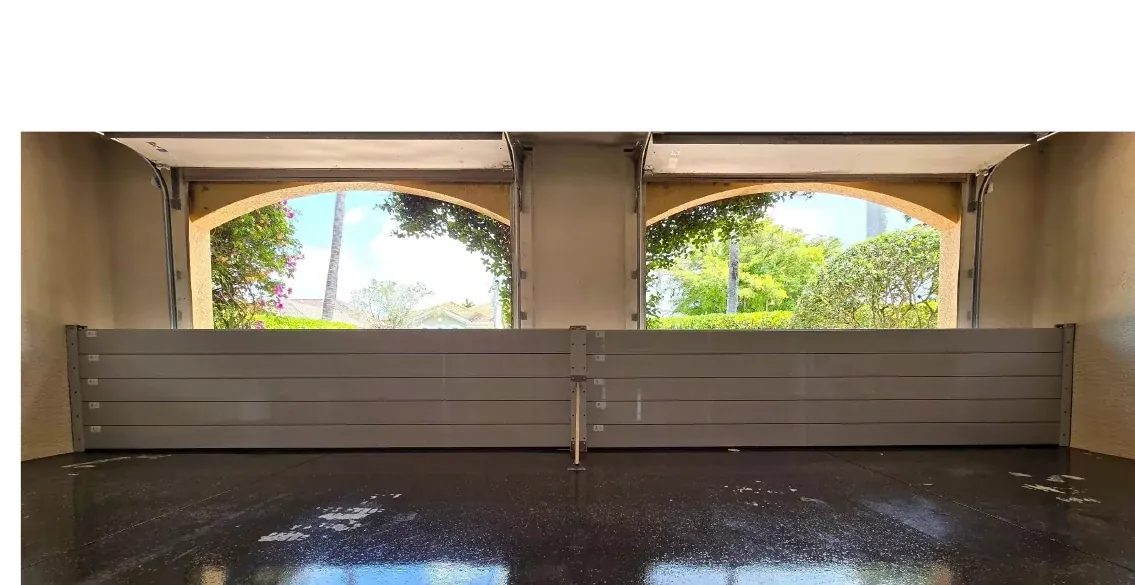
A modular demountable system built around pre-installed side channels, stackable aluminium panels, compression hardware and rubber sealing. The barrier can remain stored until a flood warning, then be installed across the protected opening and removed again after the event.
Demountable + reusableStackable aluminium panelsSide-post + centre-post pathwaysDoor, window, garage + gate applications
Where it fits
Applications
Product selection follows the opening, flood path, deployment time and local project conditions.
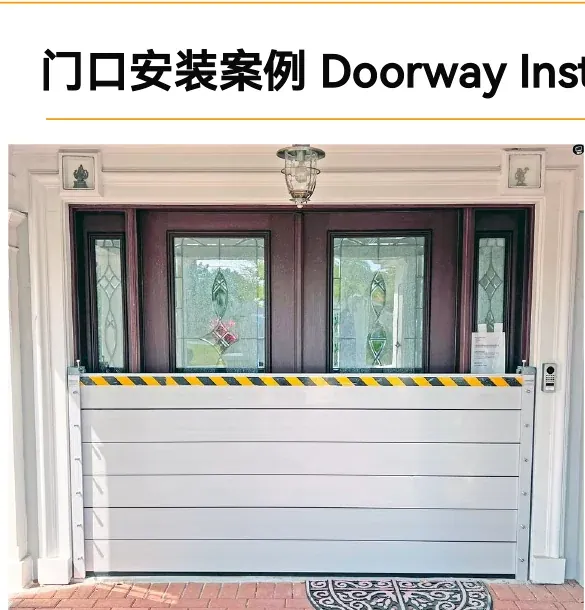
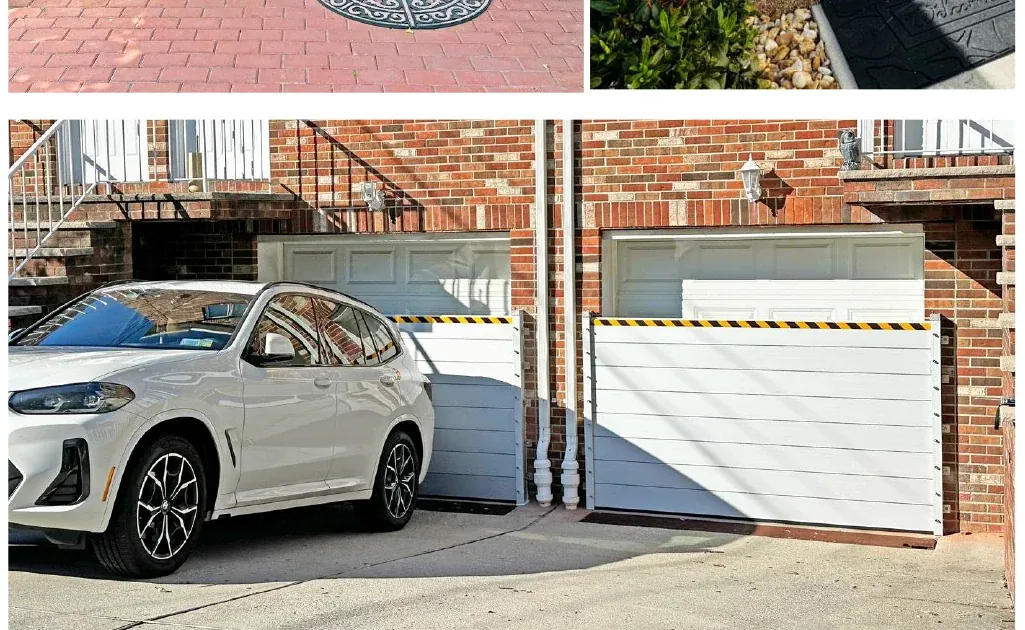
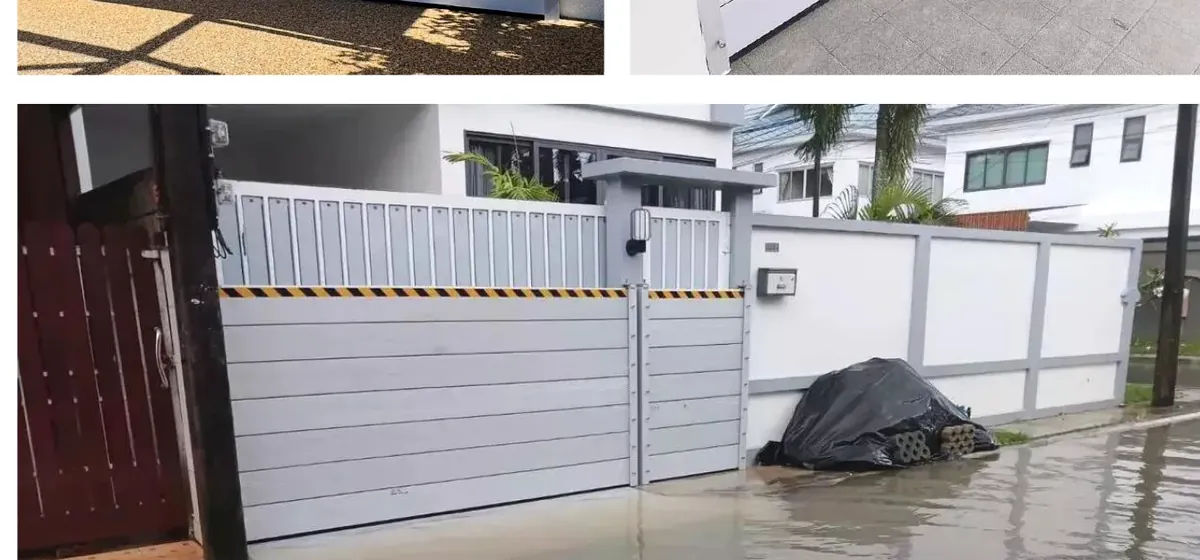
Residential entrancesGarage and driveway openingsCommercial doorsWide shopfront or service openingsWindows and low-level glazingGates and property accessBasement or underground accessSelected public-building openings
System operation
How the product works
- 01
Side posts or slot channels are fixed at the protected opening.
- 02
Aluminium panels are inserted sequentially from the bottom upward.
- 03
Rubber seals between the panel, posts and lower edge create the water-control interface.
- 04
A top compression mechanism loads the installed stack; wider openings can use a centre post or divided spans.
- 05
When flood risk passes, the removable panels can be taken out and stored while the fixed interfaces remain in place.
Supplier reference data
Current reference specifications
These figures come from the supplied manufacturer documentation and public product material. Apollo confirms the exact current configuration before quotation or specification.
Reference panel family A200 mm panel height; supplier pack shows 1.6 mm or optional 2.0 mm panel wall thickness.
Reference panel family B185 mm panel height; supplier pack lists 0.8, 1.0, 1.3, 1.5, 1.6, 1.7, 2.0 and 2.5 mm panel wall-thickness pathways.
SealingBottom and channel rubber-gasket systems; exact seal profile depends on the selected version.
Centre postsReference centre-post widths shown as 95 mm for Version A and 85 mm for Version B.
Compression hardwareReference top-compression screw diameters shown as 20 mm for Version A and 16 mm for Version B.
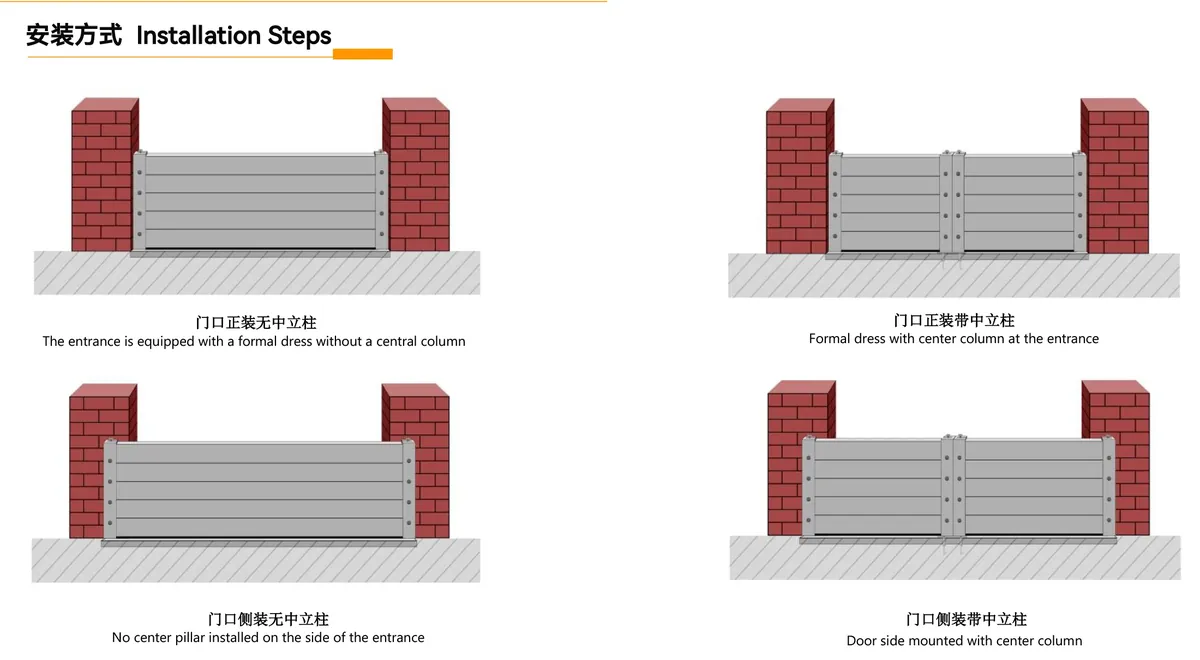
Installation configurationsWall-flanked openings, centre-post divided openings, side-mounted systems, ground-rail arrangements and window applications are shown in the supplier technical pack.
Real product reference imagery
Actual manufacturing-network products and deployments.
Technical control
Keep performance claims tied to the exact system.
The supplier pack contains additional construction details and makes performance claims, but Apollo will keep water-depth, pressure, leakage and certification claims project-specific until the exact model, span, fixing method and current test documents are verified.
Apollo NZ Global · Flood Protection
Send the opening, site photos and the flood-risk information.
For fixed barriers, include clear width, target protection height, wall/floor construction and any available flood-level information. For temporary systems, include the line length, site geometry, storage and deployment requirements.
Product status
What Apollo has confirmed at catalogue level.
This product is recorded as a modular or configurable pathway, with the final arrangement confirmed for the project.
Apollo has an explicit regional priority map for this product. Regional mapping supports discovery and project review; it is not blanket compliance certification.
Configuration, technical evidence, interfaces, exposure or destination requirements need product-specific review before the final supply package is confirmed.
Status signals describe Apollo's current product record and project pathway. They do not replace project-specific engineering, testing, local approvals or destination compliance review.
Connected project pathway
One owner for each decision. One route into the project.
Commercial ownerWeather Protection
Whole-property resilience pathways covering wind, flood, water, heat, wildfire, coastal exposure and continuity planning.
Open pathway Knowledge ownerClimate & Global ProjectsCoastal, UV, rain, high-wind, cyclone/hurricane exposure and remote-project planning.
Open pathway ExposureClimate Exposure SelectorScreen salt, UV, rain, wind and remote-logistics conditions before product selection.
Open pathway TechnicalTechnical & Specifier CentreUse current product evidence, controlled technical information and professional project resources.
Open pathway Project briefGlobal Project BuilderCompile destination, exposure, scope, evidence and logistics for manual Apollo review.
Open pathwayRelated pathwayRemote Project Readiness
Complete the project
Consider the systems that naturally sit around this decision.
Map vulnerable openings and compare coordinated severe-weather protection pathways.
Add temporary perimeter or diversion capability for wider site protection.
Another flood protection pathway worth comparing for the same project territory.
Related discovery is a catalogue recommendation, not a statement of technical compatibility. Final interfaces and project requirements are reviewed separately.