
Space Explorer
Build foundations in the solar system, stars, galaxies and exploration.
 SPACE ACADEMYSPACE · ASTRONOMY · DISCOVERY
THE UNIVERSE IS YOUR CLASSROOM
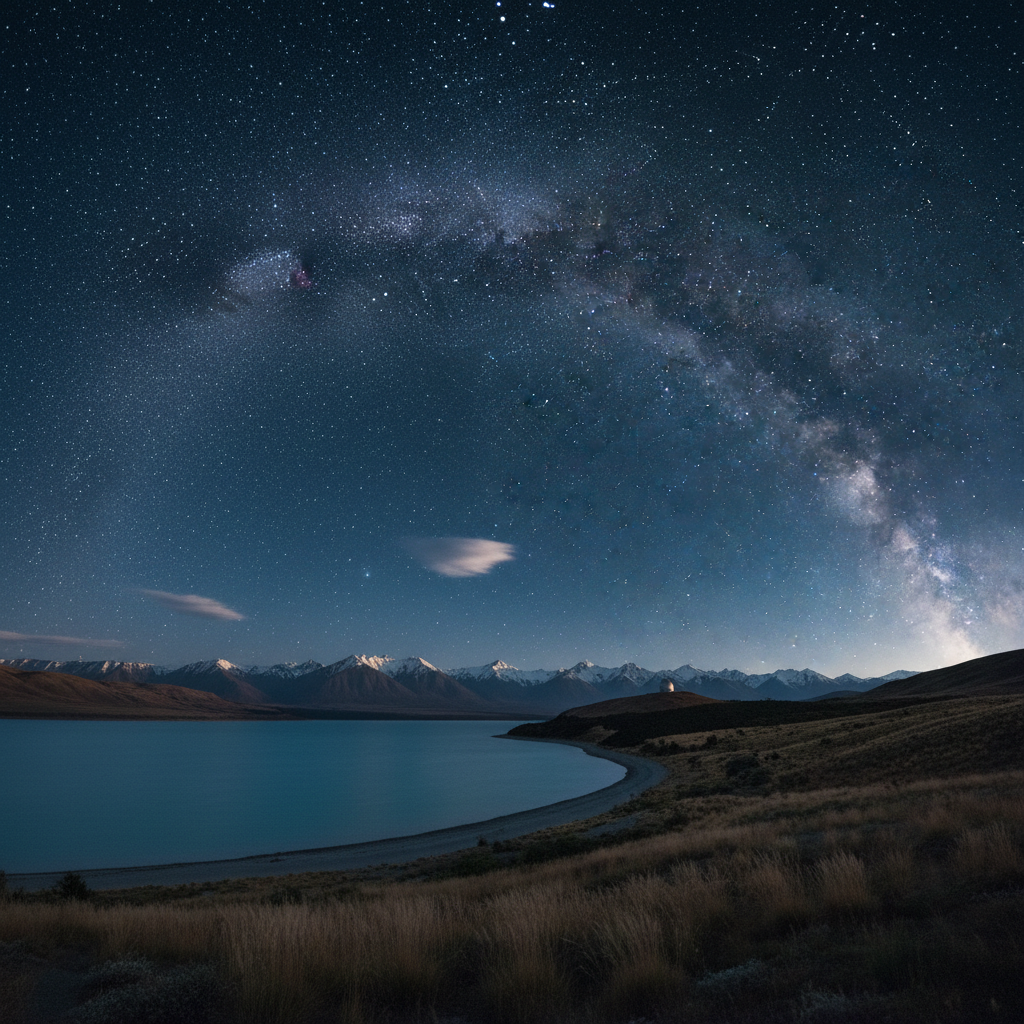
Discover space science, explore extraordinary night skies and help protect the natural darkness above us. Free astronomy learning for curious minds around the world.
FREE DIGITAL LEARNING · NO STUDENT ACCOUNTS · NO PURCHASE REQUIREDTHE ASTRAVYR SPACE ACADEMY LIBRARY
Download a complimentary introduction to our worldwide learning programme, or choose a shorter guide for your school, library, astronomy group or dark-sky community. Free to read, share and use as inspiration.
THE GLOBAL INTRODUCTION
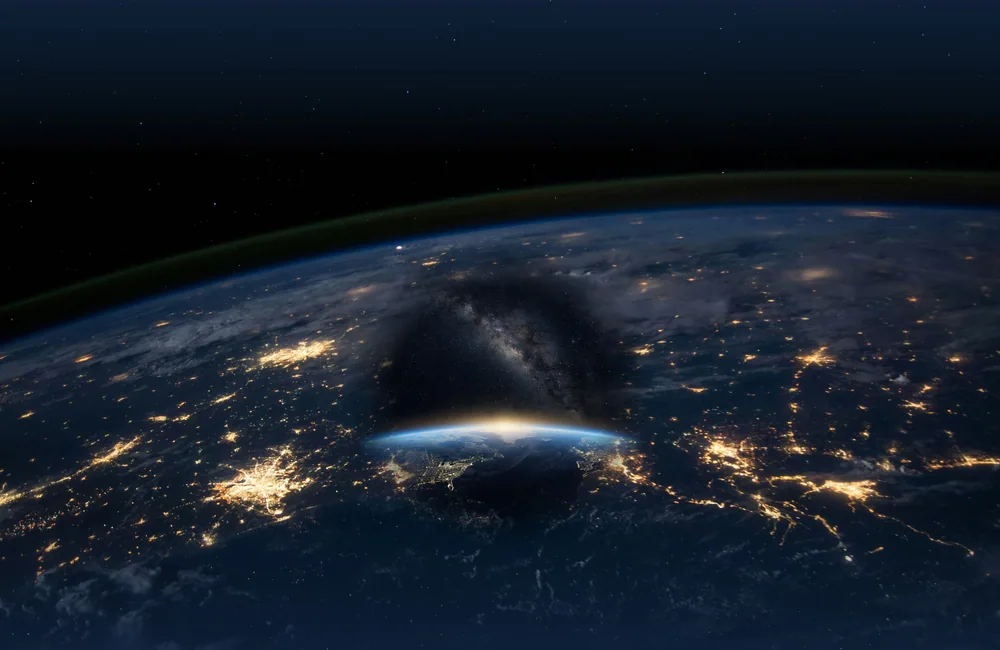
Discover the Academy's free space-science missions, educator materials and pathways connecting New Zealand dark skies, Pacific skies and Middle East celestial learning—together in one global programme.
Read the Global Academy GuideFOUR WAYS TO GET INVOLVED
Each introduction is a free, one-page PDF. No account, enrolment or product purchase is required.
Choose one of four practical astronomy investigations, tailor it to your audience and region, then download facilitator and learner resources.
Independent educational resources. These guides do not imply institutional endorsement, formal accreditation or partnerships with the organisations discussed.
01 / LEARNING DIVISIONS
Six complementary areas of astronomy, observation, technology, teaching and scientific discovery.
Build foundations in the solar system, stars, galaxies and exploration.
Learn telescope operation, safe observing and observatory choices.
Discover satellites, orbits, sensors and space-science systems.
Classroom lessons, printable investigations and teaching guidance.
Learn how to contribute to established public research projects.
Explore study routes and emerging space-related careers.
02 / MISSION CONTROL
COSMIC SCALE · MISSION 01 · 15 MIN
Find our place among the planets, stars and galaxies.
Explain the difference between a solar system and a galaxy
Recognise a light-year as a unit of distance
Earth is one planet orbiting the Sun. The Sun is one star in the Milky Way, a galaxy containing many stars. Galaxies are separated by enormous distances, and the observable universe contains many galaxies.
We measure nearby solar-system distances in kilometres or astronomical units. One astronomical unit is roughly the average Earth–Sun distance. A light-year is the distance light travels in a year: a unit of distance, not time.
Draw four nested labels: Earth, Solar System, Milky Way and observable universe. Add one sentence explaining the scale difference.
KNOWLEDGE CHECK
03 / AOTEAROA'S DARK-SKY PATHWAY
Learn from the Aoraki Mackenzie reserve, Aotea and Rakiura sanctuaries, and Kaikōura's conservation-led dark-sky protection.